Comparison · Updated August 1, 2026

Smart Water Shutoff Valves: Flo, LeakSmart & Phyn Compared

A sensor tells you about a leak. A shutoff valve stops it — even while you're at work, asleep, or on vacation. Here's how the main systems differ, and whether you need one at all.

This guide contains affiliate links; DryLine Home may earn a commission at no extra cost to you. See our disclosure. Installation costs vary by region and plumber — get a local quote before budgeting.

Key takeaways

  • Sensors are enough if someone can reach the valve within an hour of an alert — shutoff valves earn their cost for empty or unattended properties.
  • Flo by Moen and Phyn Plus monitor whole-home flow; LeakSmart/Dome instead triggers a valve from paired point sensors.
  • Phyn Plus has no subscription at all; Flo's optional plan is separate from a financed bundle with an early-cancellation penalty — know which one you're signing.
  • Galvanized pipe, oversized mains, or well systems need a compatibility check before buying — don't assume fit.
  • Start with point sensors, not a shutoff valve, unless you already know sensors alone won't cover your situation.

Who actually needs one

Sensor vs. shutoff valve: which do you need?

Just a sensor is enough if…

Someone's usually home, and can get to a valve within an hour of an alert. Even a notification at 2am still leaves time to walk downstairs and shut it off by hand.

You need a shutoff valve if…

The property sits empty for stretches — a vacation home, a rental between tenants, a rehab property. Or there's simply no way anyone gets there fast enough to stop real damage.

The systems

How the three main systems differ

SystemWhat it monitorsInstallBest for
Flo by Moen Flow rate, pressure, temperature, leak detection across the whole home from one main-line point Cut into the main supply line — professional plumber recommended Whole-home coverage from a single install point; carriers sometimes offer insurance discounts for it
Phyn Plus Similar whole-home flow monitoring, with Apple HomeKit compatibility on certain models Main line, professional install recommended Apple-ecosystem households wanting whole-home monitoring, not just point sensors
LeakSmart / Dome Motorized ball valve triggered by paired point sensors, rather than whole-home flow analysis Valve install on the main line, plus separate point sensors placed around the house Homeowners who want shutoff wired specifically to sensors already covering known risk spots

Installation cost is typically a few hundred dollars for a plumber to cut into PEX or copper supply lines; DIY is possible with push-to-connect fittings if you're comfortable working on your home's main water line, but a backwards install leaves you with no water at all — when in doubt, hire it out.
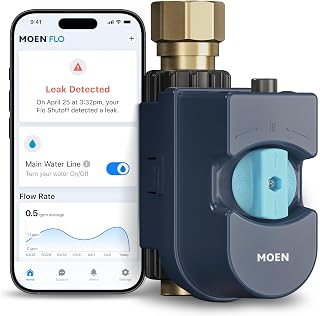
Flo by Moen Smart Water Shutoff

Flo by Moen

Check Price
Phyn Smart Water Assistant

Phyn Plus

Check Price
LeakSmart Automatic Water Shutoff Valve

LeakSmart / Dome

Check Price

The subscription trap almost nobody mentions

Most comparisons stop at hardware price. That's not the full cost picture, and the fine print differs more than you'd expect between systems.

Flo by Moen doesn't require a subscription to function — but Moen sells it two ways, and the second one is where people get caught out. Buy the device outright and you can add an optional $5/month FloProtect plan for an extended warranty and up to $5,000 in insurance-deductible reimbursement — cancel anytime, no penalty. Separately, Moen also offers a financed "Leak Protection Service" bundle: as low as $17.99/month with a $49.99 activation fee, locked into a 36-month agreement. Cancel that one early and you're charged 50% of the remaining payments left in the term. If a retailer or installer offers you the "low monthly payment" option, know which one you're actually signing up for before you agree to it.

Phyn Plus has no subscription at all, mandatory or optional — the price on the box is the total cost, full stop. That's a genuine advantage if predictable, one-time cost matters more to you than Flo's extended-warranty option.

One more real-world factor: multiple independent plumber reviews note Flo is less consistently recognized by insurance carriers for premium discounts than Phyn is — worth confirming with your specific insurer before assuming either brand qualifies. See our insurance discount guide for what carriers actually require.

What if your main line isn't standard copper or PEX?

Every shutoff valve on this page is designed around a typical residential main line, usually ¾" to 1" copper or PEX. If your home has galvanized steel plumbing, an oversized 1¼"+ commercial-style main, or you're on a well rather than municipal water, don't assume compatibility — call the manufacturer or a local plumber to confirm fitting availability before buying. Well systems specifically add a variable most of these guides ignore entirely: pressure tank cycling can behave differently with an automatic shutoff valve in the line, and it's worth asking your well contractor about that interaction directly rather than guessing.

Next steps

Deciding, or ready to install?

Not sure the cost is justified yet?

Is a shutoff valve worth it? →

Already decided and weighing installation?

DIY vs. professional install →

FAQ

Common questions

Do I need a shutoff valve, or is a sensor enough?

A sensor is enough if someone's usually home and can reach the valve within an hour of an alert. A shutoff valve earns its cost once the property sits empty for stretches or nobody could get there fast enough.

Does Flo by Moen require a subscription?

No, not to function. There's an optional $5/month warranty plan, separate from a financed 36-month bundle with an early-cancellation penalty — confirm which one you're signing up for.

Does Phyn Plus have a subscription fee?

No — no subscription at all, mandatory or optional. The price on the box is the total cost.

Will this work with galvanized pipe or a well system?

Don't assume it will. Confirm compatibility with the manufacturer or a local plumber first — well systems can interact unexpectedly with pressure tank cycling.

Next step

Start with sensors, add shutoff later

Start with a handful of point sensors at your highest-risk spots — that's the better first purchase for most homeowners. Add a shutoff valve later, once you actually know sensors alone aren't enough for your situation.

See the leak detector rankings →